

Hydraulic System Maintenance: Best Practices for Reliability & Reduced Downtime
Good hydraulic maintenance combines regular inspection, clean hydraulic oil, suitable filtration, hose and fitting checks, temperature monitoring and early investigation of developing faults.
Last Updated: 27 August 2026
Hydraulic systems are used throughout industrial machinery, mobile plant, construction equipment, manufacturing, agriculture, marine machinery and specialist engineering applications.
They rely on pumps, valves, cylinders, motors, hoses, filters, fittings and hydraulic fluid working together as one system.
Preventative maintenance helps identify deterioration before it becomes an unexpected breakdown and provides an opportunity to correct contamination, leakage, poor hose condition, overheating and other developing problems.
For planned engineering support, see our preventative hydraulic maintenance service.
Not Sure Which Hydraulic Oil You Need?
Some machines require specialist or OEM-specific hydraulic oil. Using the wrong oil can cause serious damage.
Check Your Oil NowQuick Answer: What Maintenance Does a Hydraulic System Need?
Hydraulic-system maintenance normally includes checking hydraulic oil level and condition, filters, hoses, fittings, cylinders, pumps, valves, leaks, operating temperature and unusual machine behaviour.
The correct maintenance interval depends on the equipment manufacturer, duty cycle, environment and importance of the machinery. There is no single inspection schedule that suits every hydraulic system.

Why Is Hydraulic System Maintenance Important?
A hydraulic system contains precision components operating with pressurised fluid.
Wear or contamination in one part of the circuit can affect other components.
Planned maintenance can help:
- Identify hydraulic leaks early
- Find deteriorating hoses and fittings
- Control contamination
- Monitor hydraulic-fluid condition
- Identify abnormal pump noise
- Detect overheating
- Spot cylinder and seal problems
- Reduce the likelihood of avoidable breakdowns
- Improve planning for repairs and component replacement
Engineering Point
Hydraulic maintenance should consider the complete circuit rather than treating pumps, valves, cylinders, hoses and oil as unrelated components.
Which Hydraulic Components Should Be Maintained?
A hydraulic maintenance programme may include inspection of:
- Hydraulic pumps
- Hydraulic valves and manifolds
- Cylinders and rams
- Hydraulic motors
- Hoses and pipework
- Fittings and adapters
- Filters
- Reservoirs and breathers
- Hydraulic oil
- Cooling equipment
For a wider explanation of these components, see our hydraulic systems guide.
A Practical Hydraulic Maintenance Process
01 — INSPECT
Look for leakage, wear, damage, loose components and changes in machine behaviour.
02 — CHECK FLUID
Confirm hydraulic-oil level, condition and correct specification.
03 — CONTROL CONTAMINATION
Maintain filters, reservoir cleanliness and clean fluid-handling practices.
04 — CHECK COMPONENT CONDITION
Inspect hoses, cylinders, valves, pumps and related hydraulic connections.
05 — MONITOR OPERATION
Watch temperature, noise, speed, smoothness and other changes in machine performance.
06 — RECORD & ACT
Record findings and investigate developing faults before they become larger failures.
How Often Should a Hydraulic System Be Inspected?
Inspection frequency should be based on the equipment manufacturer’s recommendations and actual operating conditions.
A useful maintenance structure may include:
| Inspection Area | Typical Check | Frequency Approach |
|---|---|---|
| General Visual Condition | Leaks, visible damage, loose components | Routine operator checks |
| Hydraulic Oil Level | Correct reservoir level and obvious fluid-condition changes | According to machine guidance and usage |
| Hoses & Fittings | Abrasion, leakage, cracking, bulges, fitting damage | More frequently on high-use or harsh-duty machinery |
| Filters | Restriction indication, contamination and replacement interval | Manufacturer and condition based |
| Operating Temperature | Unusual or sustained overheating | During normal machine operation |
| Pumps & Valves | Noise, response, leakage and abnormal operation | Routine servicing and when symptoms develop |
A Fixed Calendar Is Not Enough
A machine operating continuously in a dirty, hot or highly mobile environment may require more frequent inspection than lightly used equipment in a clean indoor environment.
Hydraulic Oil Maintenance
Hydraulic oil transmits power and also contributes to lubrication, cooling and protection of internal components.
Maintenance should consider:
- Correct hydraulic oil specification
- Correct viscosity grade
- Fluid level
- Contamination
- Water ingress
- Oxidation or deterioration
- Unusual colour or smell
Hydraulic fluid should not automatically be changed simply because of appearance alone, but visible deterioration can justify further investigation.
See our hydraulic oil viscosity chart and hydraulic oil grades guide.
Why Is Hydraulic Contamination Control Important?
Hydraulic pumps and valves often contain precision internal clearances.
Dirt, metal particles, water and other contamination can contribute to:
- Pump wear
- Valve sticking
- Seal damage
- Blocked hydraulic passages
- Accelerated component wear
- Reduced system reliability
Good contamination-control practices include:
- Using suitable filtration
- Keeping oil-transfer equipment clean
- Keeping reservoir openings protected
- Replacing filters according to requirement
- Keeping service tools and work areas clean
- Preventing unnecessary ingress of dirt and water
Contamination Often Spreads Through the System
When one hydraulic component suffers severe internal wear, debris can circulate through hoses, valves, pumps and other components. Corrective work may therefore need to consider more than the failed part alone.
Hydraulic Hose & Fitting Maintenance
Hydraulic hoses should be checked for signs of wear before they fail.
Look for:
- Oil leakage
- Abrasion
- Cracking
- Bulges
- Exposed reinforcement
- Kinks
- Twisting
- Damaged or corroded fittings
- Hose movement against machine structures
Routing Matters
A correctly specified hose can still fail early if it is twisted, bent too tightly or allowed to rub continuously against another surface.
Hydraulic Pump Maintenance
Hydraulic pumps should be monitored for changes in sound, temperature and machine performance.
Possible warning signs include:
- Whining or unusual noise
- Reduced hydraulic response
- Excessive heat
- Aerated or foaming oil
- External leakage
- Slow actuator movement
Pump problems can be caused by the pump itself or by conditions elsewhere in the system, such as contamination, restricted inlet flow or unsuitable hydraulic oil.
See our hydraulic pump repair guide.
Hydraulic Cylinder & Ram Maintenance
Hydraulic cylinders should be checked for:
- Rod leakage
- Rod scoring or corrosion
- Damaged wipers
- Loose mounting points
- Uneven wear
- Jerky or inconsistent movement
- Loss of holding ability
A damaged piston rod can quickly affect the rod-sealing system.
See our guide to preventing hydraulic cylinder breakdown and our hydraulic cylinder and ram repair service.

Hydraulic Valve Maintenance
Hydraulic valves may suffer from wear, contamination, sticking or electrical faults where solenoids are used.
Symptoms can include:
- Functions not responding
- Slow or inconsistent movement
- Incorrect actuator direction
- External leakage
- Valve sticking
- Incorrect pressure or flow behaviour
See our hydraulic valves guide.
Why Does Hydraulic Operating Temperature Matter?
Hydraulic oil becomes less viscous as temperature rises.
Persistent overheating can therefore affect:
- Hydraulic oil viscosity
- Lubricating-film thickness
- Seals
- Internal leakage
- Component life
Possible causes of overheating can include:
- Cooling-system problems
- Internal leakage
- Restricted flow
- Incorrect hydraulic oil
- Dirty coolers
- Machine operating conditions
Do Not Treat Overheating as Normal
If a hydraulic system persistently runs hotter than expected, investigate the cause rather than simply changing to thicker oil or accepting the temperature as part of normal operation.
Need a fast hydraulic repair quote?
Tell us what’s failed — we’ll get back to you quickly.
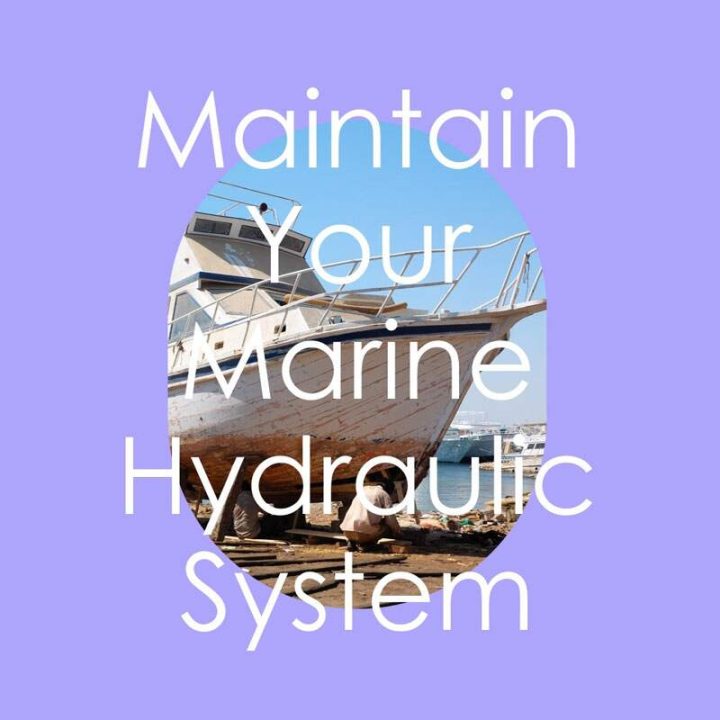
What Is Different About Marine Hydraulic System Maintenance?
Marine hydraulic systems operate in environments where moisture, saltwater, restricted spaces and continuous movement can create additional maintenance challenges.
Hydraulics may be used on marine equipment such as:
- Steering systems
- Winches
- Deck machinery
- Cranes
- Stabilisers
- Ramps and lifts
Marine maintenance may require additional attention to:
- External corrosion
- Water contamination
- Salt deposits
- Hose and fitting materials
- Rod corrosion
- Electrical connections on solenoid valves
- Cooling in confined machinery spaces
Marine Hydraulic Maintenance Uses the Same Fundamentals
The core principles remain oil cleanliness, correct fluid specification, hose condition, component inspection and early fault diagnosis, but the marine environment can increase exposure to corrosion and moisture.

Hydraulic Maintenance Safety
Hydraulic systems can contain stored energy and pressurised fluid.
Never Search for Hydraulic Leaks With Your Hand
High-pressure hydraulic fluid can penetrate the skin and cause a serious injection injury. Equipment should be safely isolated, stored energy controlled and system pressure released according to the correct procedure before maintenance work begins.
Maintenance personnel should also consider:
- Machine isolation
- Lockout procedures
- Suspended loads
- Pinch and crush points
- Hot hydraulic fluid
- Oil spills
- Safe access to the equipment
Why Keep Hydraulic Maintenance Records?
Maintenance records help establish what has happened to a machine over time.
Useful information can include:
- Date of inspection
- Hours or operating condition
- Leaks found
- Hoses replaced
- Filter changes
- Hydraulic oil added or changed
- Unusual noise or heat
- Components repaired
- Recurring faults
This can make repeated problems easier to recognise and can help plan future maintenance rather than relying solely on memory.
When Should You Call a Hydraulic Engineer?
Professional hydraulic support may be appropriate where:
- A fault cannot be identified confidently
- A pump, valve or cylinder needs repair
- A hydraulic hose has failed
- Contamination has spread through the system
- The system repeatedly overheats
- Several components are failing
- There is significant hydraulic leakage
- A wider refurbishment is required
Completely Hydraulic provides mobile hydraulic engineering and 24/7 breakdown support.
Hydraulic System Maintenance: Quick Summary
INSPECT
Look for leaks, wear, hose damage and changes in machine behaviour.
KEEP OIL CLEAN
Contamination can affect pumps, valves, cylinders and other precision components.
CHECK HOSES
Abrasion, cracking, leaks and poor routing should be investigated early.
WATCH TEMPERATURE
Persistent overheating can indicate a wider hydraulic fault.
MONITOR COMPONENTS
Noise, leakage and poor response can provide early warning of developing pump, valve or cylinder problems.
KEEP RECORDS
Maintenance history can reveal repeated faults and make future planning easier.
Related Hydraulic Maintenance Guides & Services
Need Hydraulic Maintenance or Fault Diagnosis?
Completely Hydraulic provides preventative maintenance, hydraulic fault diagnosis, hose replacement, cylinder repair and wider hydraulic engineering support for industrial, mobile and specialist equipment.
Hydraulic System Maintenance FAQs
What maintenance does a hydraulic system need?
Typical maintenance includes checking hydraulic oil, filters, hoses, fittings, pumps, valves, cylinders, leaks, contamination, operating temperature and changes in machine performance.
How often should hydraulic systems be maintained?
Maintenance frequency depends on manufacturer recommendations, machine usage, operating environment, duty cycle and equipment criticality. There is no single interval that suits every hydraulic system.
What is preventative hydraulic maintenance?
Preventative hydraulic maintenance is planned inspection and servicing intended to identify developing wear, leaks, contamination and component problems before they become unexpected failures.
Why is hydraulic oil cleanliness important?
Hydraulic pumps and valves often contain precision internal surfaces. Contamination can contribute to wear, sticking, seal damage and other hydraulic-system problems.
What are the first signs of hydraulic-system problems?
Possible warning signs include leakage, unusual noise, slow or jerky operation, overheating, changing fluid condition, damaged hoses and loss of expected machine performance.
How do you maintain hydraulic hoses?
Inspect hoses for abrasion, leaks, cracks, bulges, twisting, damaged fittings and poor routing. Damaged or deteriorated hose assemblies should be assessed and replaced where required.
Why does a hydraulic system overheat?
Possible causes include internal leakage, cooling problems, restricted flow, unsuitable hydraulic oil or operating conditions. Persistent overheating should be investigated rather than treated as normal.
Is marine hydraulic maintenance different?
The fundamental maintenance principles are similar, but marine equipment can require additional attention to corrosion, moisture, water contamination, salt deposits and operation in confined spaces.
When should I call a hydraulic engineer?
Professional support is appropriate where faults cannot be diagnosed confidently, major components need repair, contamination is widespread, hoses fail or a wider hydraulic-system problem is suspected.
Does Completely Hydraulic provide preventative maintenance?
Yes. Completely Hydraulic provides planned hydraulic maintenance, fault diagnosis, component repair and mobile hydraulic engineering support.