Updated: 4 September 2026
Hydraulic cylinders often give warning signs before a major failure occurs.
External leaks, rod damage, loss of holding performance, recurring seal problems and visible wear can all indicate that a cylinder needs professional assessment.
However, not every slow or weak hydraulic function is caused by the cylinder itself. Pumps, valves, oil condition, contamination and system pressure can produce similar symptoms.
A hydraulic cylinder may need refurbishment if it is leaking externally, drifting under load, repeatedly damaging seals, showing rod corrosion or scoring, or suffering mechanical wear or damage. The cylinder should be inspected before deciding whether to reseal, refurbish, rebuild or replace it.
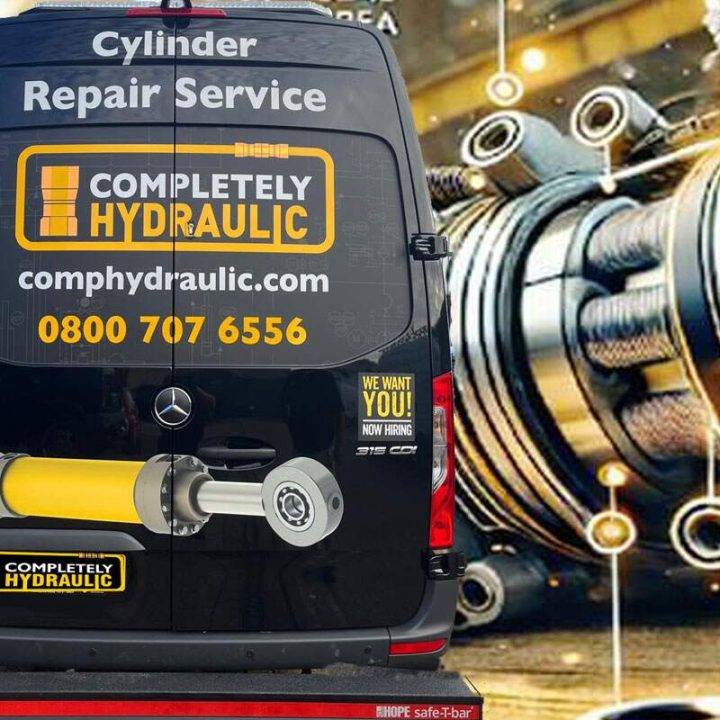
External leakage is one of the clearest signs that a hydraulic cylinder needs attention.
Oil may appear around:
A leaking seal may be the immediate problem, but it is important to establish why the seal failed.
Possible underlying causes include:
Replacing a seal without correcting a badly scored or corroded rod can result in another leak soon afterwards. The sealing surfaces and mechanical condition of the cylinder should be checked as part of the repair.
See Hydraulic Ram & Cylinder Repair.
A hydraulic cylinder that gradually moves when it should remain stationary may have internal leakage.
This can occur if hydraulic fluid bypasses:
However, cylinder drift is not always caused by the cylinder.
Other possible causes include:
A proper diagnosis helps determine whether the cylinder actually needs rebuilding or whether the fault lies elsewhere in the hydraulic circuit.
The condition of the piston rod has a major influence on cylinder reliability.
Look for:
A damaged rod can repeatedly pass through the seal and wiper system, accelerating wear and allowing contamination into the cylinder.
In severe cases, a damaged or bent rod can also indicate:
The correct repair may involve rod reconditioning, replacement or manufacture depending on the cylinder and extent of the damage.
For specialist cylinder manufacturing, see Hydraulic Cylinder Manufacturing.
A hydraulic cylinder that repeatedly needs new seals may have a deeper problem.
Recurring seal failure can be caused by:
Repeated resealing without identifying the root cause can increase downtime and repair cost.
If the same cylinder keeps leaking after repair, that pattern should be treated as a diagnostic clue. The problem may be mechanical, hydraulic or environmental rather than simply another worn seal.
Hydraulic cylinders operate under substantial force and can suffer mechanical damage over time.
Signs worth investigating include:
Mechanical wear can alter how loads pass through the cylinder and may contribute to seal, rod or bore damage.
Where significant wear is present, the complete cylinder should be assessed rather than replacing only the most obvious failed part.
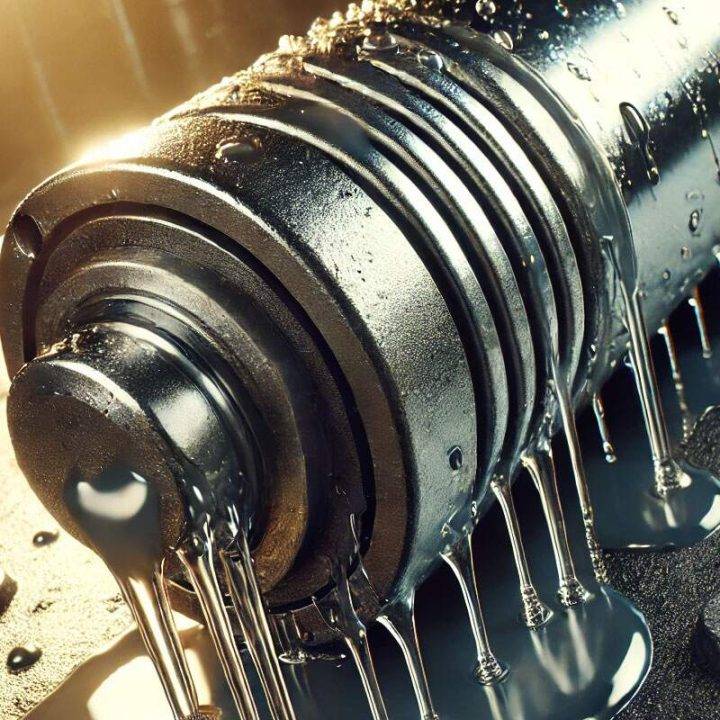
Slow movement can indicate a cylinder problem, but it is not enough on its own to prove that the cylinder needs refurbishment.
Possible causes include:
If other hydraulic functions on the machine are also slow, the fault may be elsewhere in the system.
See Hydraulic System Troubleshooting & Diagnostics.
Knocking, squealing or abnormal movement should be investigated, but sound alone does not identify a cylinder fault.
Noise may come from:
Understanding where and when the noise occurs is more useful than assuming that the cylinder needs replacement.
Internal cylinder leakage can contribute to energy loss and heat generation in some systems, but overheating should normally be treated as a system-level symptom.
Other causes can include:
A hot cylinder therefore does not automatically mean it needs refurbishment.
The exact process depends on the cylinder and its condition.
Typical Cylinder Refurbishment Process
1. Initial Assessment
The cylinder is inspected and the reported fault is reviewed.
2. Strip-Down
The cylinder is dismantled where appropriate so internal components can be inspected.
3. Component Inspection
The rod, bore, piston, gland, seals and mechanical components are assessed for wear or damage.
4. Repair or Replacement of Damaged Parts
The required work is determined from the cylinder’s actual condition.
5. Reassembly
The repaired cylinder is rebuilt with suitable components and seals.
6. Final Checks
The completed repair is checked as appropriate to the cylinder and scope of work before return to service.
Refurbishment is often a practical option, but it is not automatically the correct answer for every cylinder.
| Consideration | Why It Matters |
|---|---|
| Cylinder condition | Extensive mechanical or structural damage may change the repair decision. |
| Component availability | Obsolete cylinders may be more practical to repair or manufacture than replace with an original unit. |
| Downtime | Repair and replacement lead times can influence the best commercial route. |
| Repairability | Rod, bore, gland and structural condition determine whether refurbishment remains practical. |
| Cost & future use | The machine’s age, value and expected future service should be considered. |
Read our Repair or Replace Your Hydraulic Cylinder Guide.
Refurbishment should ideally address the underlying reason for the damage.
Premature cylinder failure can be associated with:
Finding and correcting the underlying cause can be more valuable than simply returning the cylinder to service.
Cylinders used in construction, waste, ports, agriculture and other outdoor applications can experience accelerated deterioration.
Water, dirt, salt, mud and abrasive material can all affect exposed rods, seals and mountings.
For equipment operating in demanding conditions, inspection should pay particular attention to:
See Extending Hydraulic Component Lifespan in Harsh Conditions.
Transporting a large hydraulic cylinder can be difficult, particularly for plant, industrial and heavy-equipment operators.
Completely Hydraulic offers a free hydraulic cylinder repair collection service for qualifying repair work, helping customers get damaged cylinders into the CH workshop network without arranging their own transport.
Availability and collection arrangements depend on location, cylinder size and the repair requirement.
See Free Hydraulic Cylinder Repair Collection Service.
Jump the queue. Reduce downtime. Pay less for parts, labour and callouts.
✔ Priority response
✔ Lower rates day & night
✔ Trade discounts on parts
✔ 30-day credit terms (approved accounts)
Depending on the cylinder and condition, CH can support:
CH supports customers across Essex, London, Kent and Heathrow through its workshop and trade-counter network, with Birmingham and the West Midlands supported through mobile engineering.
The strongest signs that a hydraulic cylinder needs refurbishment are usually physical or repeatable: external leakage, internal bypass, rod damage, recurring seal failure or mechanical wear. Slow movement, noise and overheating can also matter, but these symptoms should be diagnosed before assuming the cylinder itself is at fault.
If a cylinder is leaking, drifting, damaged or repeatedly failing, CH can inspect the unit and advise whether resealing, refurbishment, rebuilding or replacement is the most appropriate route.
Common signs include external oil leakage, cylinder drift, recurring seal failures, rod scoring or corrosion and visible mechanical wear or damage.
No. Some cylinders may only require limited repair, while others need more extensive refurbishment. The correct repair depends on the condition of the rod, bore, gland, seals and other components.
Sometimes, but the sealing surfaces should be inspected first. New seals may fail again quickly if the rod is scored, corroded or the cylinder has another mechanical problem.
Internal leakage inside the cylinder is one possible cause, but control valves, load-holding valves and other parts of the hydraulic circuit can also cause drift.
It depends on the depth and extent of the damage. Some rods can be repaired or reconditioned, while others may need replacement or manufacture.
Recurring seal failure can be associated with damaged rods, contamination, misalignment, side loading, incorrect seal selection, heat or other operating conditions.
It can be, but not always. The best route depends on cylinder condition, repairability, component availability, downtime, cost and future machine requirements.
Yes, internal cylinder leakage is one possibility, but slow movement can also result from pump, valve, flow, oil or mechanical problems.
CH offers a free hydraulic cylinder repair collection service for qualifying work, subject to location, cylinder size and repair requirements.
Yes. Where an original cylinder is obsolete or unsuitable for repair, CH can support custom hydraulic cylinder manufacturing depending on the application.