

Hydraulics in Theatre: Stage Lifts, Moving Scenery & Hydraulic Systems
From rising stage platforms to moving scenery, hydraulic engineering has helped theatres create controlled mechanical movement for generations.
Discover how hydraulic stage systems work, where they are used and how Completely Hydraulic can support specialist equipment with hydraulic components and repairs.
What Are Hydraulics Used for in Theatre?
Hydraulics are used in some theatre stage machinery to generate controlled force and movement. They can lift, lower, tilt or position heavy mechanical structures, allowing production teams to create changes in scenery or stage elevation.
Typical applications include stage lifts, moving platforms, tilting scenery and specialist mechanical effects.
Hydraulic systems use pressurised fluid to transfer power. In modern systems, this is commonly hydraulic oil, rather than the water used in some historical stage mechanisms.
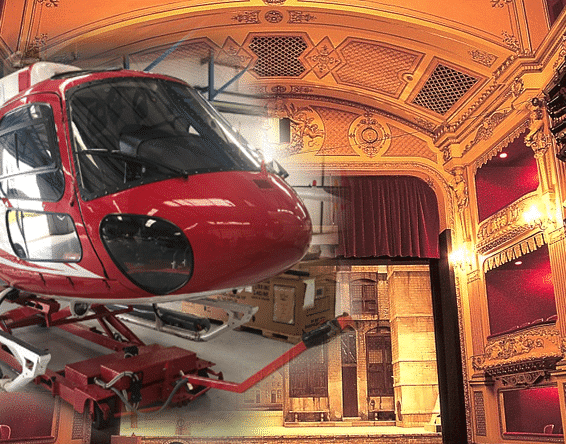
Hydraulic technology can support lifting and positioning mechanisms used in theatre.
How Hydraulic Stage Machinery Works
A hydraulic power unit supplies pressurised fluid to a cylinder or actuator. Control valves manage fluid flow, allowing the mechanism to extend, retract or hold a position as required by the equipment design.
Hoses, pipework, fittings and hydraulic valves connect the various components.
The stage movement is governed by the complete machinery design, including sensors, controls and safeguards.
Six Ways Hydraulics Can Be Used in Theatre
1. Stage Lifts
Hydraulic cylinders can raise or lower engineered sections of a stage, creating changes in height during performances.
2. Moving Platforms
Hydraulic equipment may support movement or positioning of large platforms and specialist stage structures.
3. Tilting Stages
Purpose-designed actuators can adjust the angle of platforms and moving scenery.
4. Mechanical Scenery
Large scenic structures may use hydraulic actuators to create controlled movement.
5. Practical Effects
Hydraulic systems can be incorporated into engineered mechanisms for selected theatrical effects.
6. Equipment Maintenance
Existing hydraulic stage equipment may require hose replacement, valve servicing or cylinder repairs.
From Water-Powered Stages to Modern Hydraulics
Early hydraulic stage systems used pressurised water to raise and lower stage sections.
In some historical designs, large plungers or hydraulic rams supported moving platforms. Valves controlled the water entering or leaving the cylinders, while operators monitored stage height using mechanical indicators.
Different cylinder movements could raise or tilt stage sections to create dramatic visual effects.
Modern systems use more sophisticated control technologies and must meet relevant engineering and safety requirements.

Historical hydraulic stage systems demonstrated how fluid pressure could control large moving structures.
What Hydraulic Components Are Used in Stage Machinery?
The components used depend on the stage mechanism, its operating pressure, load and movement requirements.
Hydraulic Cylinders & Rams
Convert hydraulic pressure into linear mechanical force. Cylinder design and mounting arrangements depend on the application.
Hydraulic Hoses & Fittings
Connect components and transfer pressurised fluid through the hydraulic circuit.
Hydraulic Valves
Control fluid direction, flow and pressure according to the requirements of the system.
Hydraulic Power Units
Supply hydraulic power through pumps, reservoirs and associated components.
Why Use Hydraulics in Theatre?
Hydraulic technology can offer several advantages when appropriately integrated into a specialist stage machinery system.
Not every theatre uses hydraulics. Electromechanical and other drive systems may be more appropriate depending on the installation.
Safety and Maintenance of Hydraulic Stage Equipment
Theatre machinery may operate close to performers and production personnel. Its safety depends on the entire system, not simply the hydraulic components.
Component Inspection
Check hoses, cylinders, fittings and other components for deterioration, leakage and damage.
Load and Movement Control
Use appropriately engineered safeguards against unintended movement, overloading and loss of control.
Competent Maintenance
Ensure inspection, servicing and repairs are undertaken by appropriately competent personnel.
Hydraulic Supply and Repair Support for Theatre Equipment
Completely Hydraulic provides hydraulic products and engineering services that may be relevant to theatre equipment manufacturers, stage machinery contractors and technical maintenance teams.
Every specialist application is assessed according to the required work, component specifications and available capabilities.
Who We Can Support
Send us the equipment details, relevant specifications and required timescale so we can review your enquiry.
Film, TV, Theatre and Special Effects Hydraulics
Explore our related articles and specialist hydraulic and pneumatic supply services.
Hydraulics & Pneumatics for Film Special Effects
Our dedicated supply page for special effects companies needing hydraulic hoses, pneumatic cylinders, valves and components.
Film & TV Hydraulic Services
Learn about hydraulic engineering support for film production machinery and specialist equipment.
Hydraulics for Special Effects
Discover how hydraulic power is used in engineered practical effects mechanisms.
OEM Hydraulic Supply
Hydraulic hose assemblies and specialist component supply for equipment manufacturers.
Hydraulics in Theatre — FAQs
How are hydraulics used in theatre?
Hydraulics can provide controlled force and movement for stage lifts, tilting platforms, moving scenery and other purpose-designed theatrical machinery.
What is a hydraulic stage lift?
A hydraulic stage lift is an engineered lifting mechanism that uses hydraulic actuators to raise or lower a stage platform or section of scenery.
How does a hydraulic stage platform work?
A hydraulic power source supplies pressurised fluid to actuators. Valves and control systems manage movement, while appropriate safeguards help prevent unintended operation.
Can hydraulics be used to tilt theatre stages?
Yes. Hydraulic actuators can form part of purpose-designed tilting-stage mechanisms, provided the complete system is correctly engineered and safeguarded.
What hydraulic components are used in stage machinery?
Depending on the design, stage machinery may use hydraulic cylinders, hoses, pumps, valves, power units, fittings and control equipment.
Do all modern theatres use hydraulic stage systems?
No. Theatre machinery may use hydraulic, electromechanical or other drive technologies depending on the application.
Can Completely Hydraulic supply replacement hoses for theatre equipment?
Completely Hydraulic supplies hydraulic hose assemblies. Please provide the equipment and hose specifications so the requirements can be assessed.
Can Completely Hydraulic repair hydraulic cylinders used in stage equipment?
Completely Hydraulic provides hydraulic cylinder and ram repair services. Suitability for a particular stage mechanism depends on its technical requirements.
Are hydraulic stage systems safe?
Safety depends on appropriate engineering design, controls, safeguards, inspection, maintenance and risk assessment. The hydraulic components alone do not determine system safety.
How do I request hydraulic support for theatre machinery?
Contact Completely Hydraulic on 0800 707 6556 or email [email protected] with the equipment details and required work.
Need Hydraulic Components or Repairs for Theatre Equipment?
Contact Completely Hydraulic to discuss hoses, cylinders, fittings, valves or hydraulic repair requirements for specialist stage machinery.
Email Your Requirements
Call 0800 707 6556
Component supply and engineering services are subject to technical review and availability.