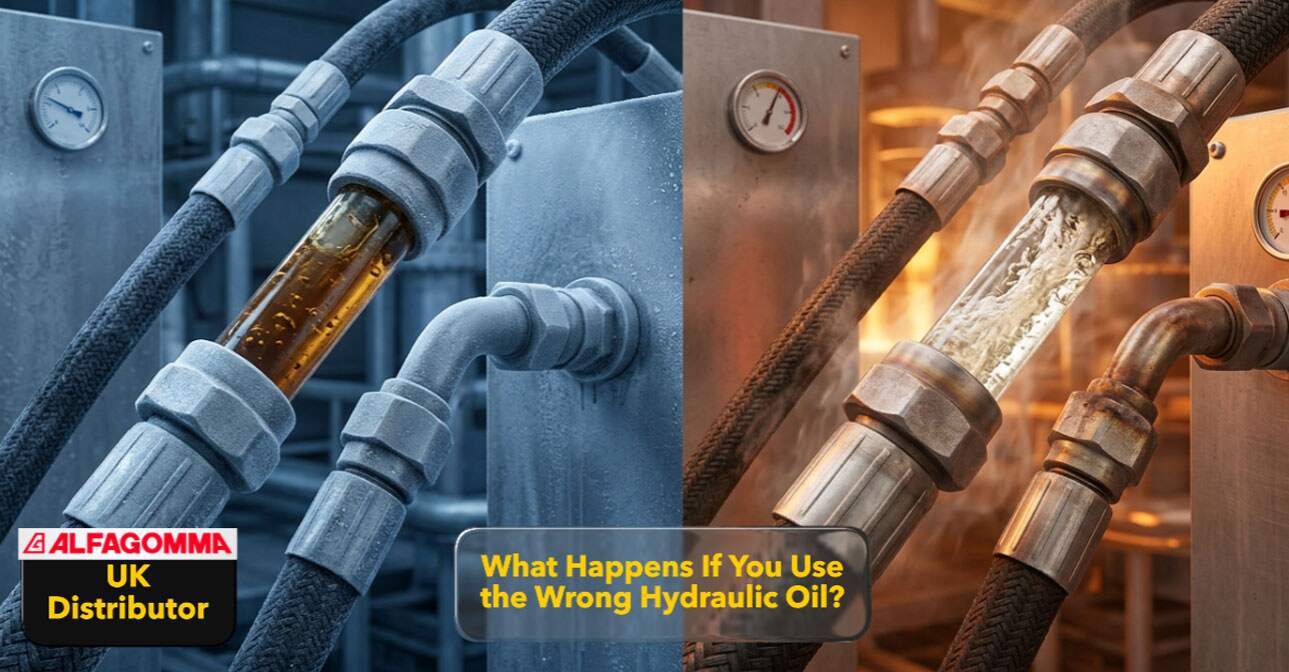
The hidden damage, performance issues and costly failures caused by incorrect hydraulic oil viscosity.
Using the wrong hydraulic oil can create serious problems in a hydraulic system. It may seem like a small detail, but the wrong viscosity can affect flow, heat control, lubrication and pressure stability throughout the machine.
If hydraulic oil is too thick or too thin for the operating conditions, it can lead to slow response, overheating, internal wear, pump strain and expensive component damage. Understanding the risks helps operators and maintenance teams avoid preventable breakdowns and choose the correct oil more confidently.
If you are unsure which oil your machine should be using, try our
Hydraulic Oil Advisor tool
or see our guide on
Hydraulic Oil Grades Explained: ISO 32 vs 46 vs 68.
Some machines require specialist or OEM-specific hydraulic oil. Using the wrong oil can cause serious damage.
Check Your Oil NowHydraulic oil does much more than lubricate moving parts. It also transfers power, helps control heat, protects components and supports efficient system performance. When the oil grade is wrong, the system can quickly begin to work against itself.
If the oil cannot do these jobs properly, performance suffers and damage can begin to build inside the system.
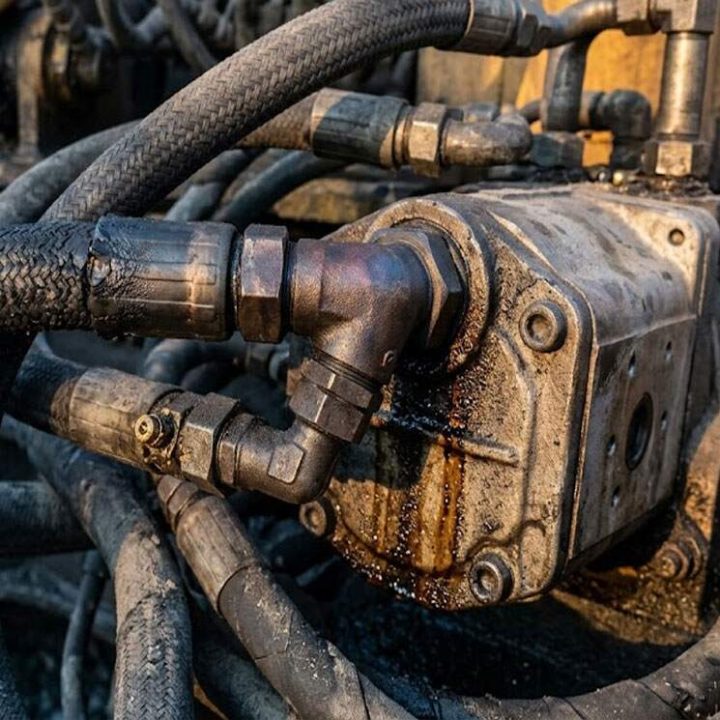
The problems caused by the wrong oil usually come down to viscosity.
| Problem | If Oil Is Too Thick | If Oil Is Too Thin |
|---|---|---|
| Flow | Slow circulation, poor cold-start performance | Fast flow but reduced film strength |
| Response | Sluggish hydraulic response | Possible leakage and pressure instability |
| Protection | Increased strain on pumps during startup | Reduced lubrication and higher wear |
| Heat | Extra resistance and system strain | Oil can break down faster under heat |
Using the wrong oil can lead to several common hydraulic faults:
These problems may not appear all at once, but even mild symptoms can be an early warning that the oil grade is not right.
One of the biggest reasons the wrong oil is used is a mismatch between oil grade and operating temperature.
For example:
If you want a practical breakdown of this, see our guide on hydraulic oil for cold weather vs hot weather.
For a full viscosity comparison, also read our Hydraulic Oil Viscosity Chart page.
The best way to avoid these problems is to match the oil to the machine, the workload and the operating conditions.
Good practice includes:
If you need a practical starting point, see our guide on Hydraulic Oil Grades Explained: ISO 32 vs 46 vs 68.
Excavators, loaders and plant machinery often work in tough, changing conditions. That means the correct oil grade matters even more. A machine that feels weak, noisy or slow may not always have a mechanical fault — sometimes the oil choice is part of the issue.
If you are working with excavators specifically, also read:
If the system is showing symptoms, the oil should be checked properly. A full change may be the right option where:
If the system also shows contamination signs, read our page on Signs Your Hydraulic Oil Needs Changing.
If different grades may have been combined, also see Can You Mix ISO 32 and ISO 46 Hydraulic Oil?.
If your machine has been topped up with the wrong oil, or needs the correct grade after maintenance, we can help.
See our Emergency Hydraulic Oil Supply page for practical support with top-ups, refills and hydraulic oil supply.
If hydraulic oil is too thick, the system may respond slowly, especially during cold starts, and pumps may have to work harder to circulate the oil.
If hydraulic oil is too thin, it may not protect internal parts properly, which can increase wear, leakage and heat-related breakdown.
Yes. The wrong hydraulic oil can affect flow, lubrication and heat control, which may lead to the system running hotter than normal.
Use the Hydraulic Oil Advisor tool or check the machine manual and manufacturer recommendations.
Use our Oil Advisor tool or contact Completely Hydraulic for practical support with oil grades, maintenance and hydraulic oil supply.