Oil spill kits are essential for managing leaks, protecting the environment and maintaining safe working conditions. While ready-made kits are widely available, creating your own spill kit can be a cost-effective and flexible solution tailored to your specific needs.
By building your own kit, you can control what goes inside, keep spare stock ready and ensure you are always prepared for unexpected spills.
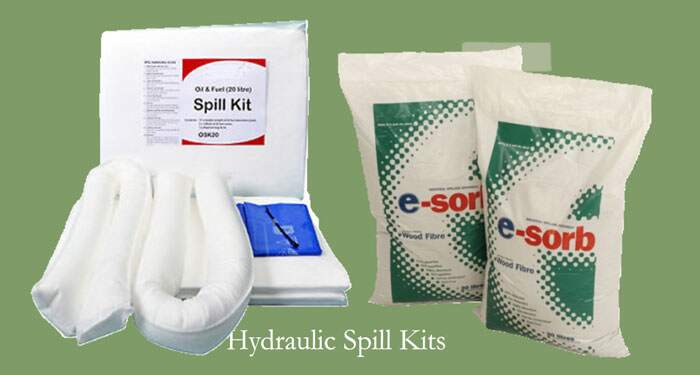
We supply fully equipped hydraulic spill kits for fast deployment across multiple environments.
Small spill kits are designed to handle minor oil spills and are ideal for vans, workshops, plant equipment and small operational areas.
Essential components:
Recommended additions:
All items can typically be stored in a 5-gallon container. The container should be clearly labelled and stored in a dry, accessible location.
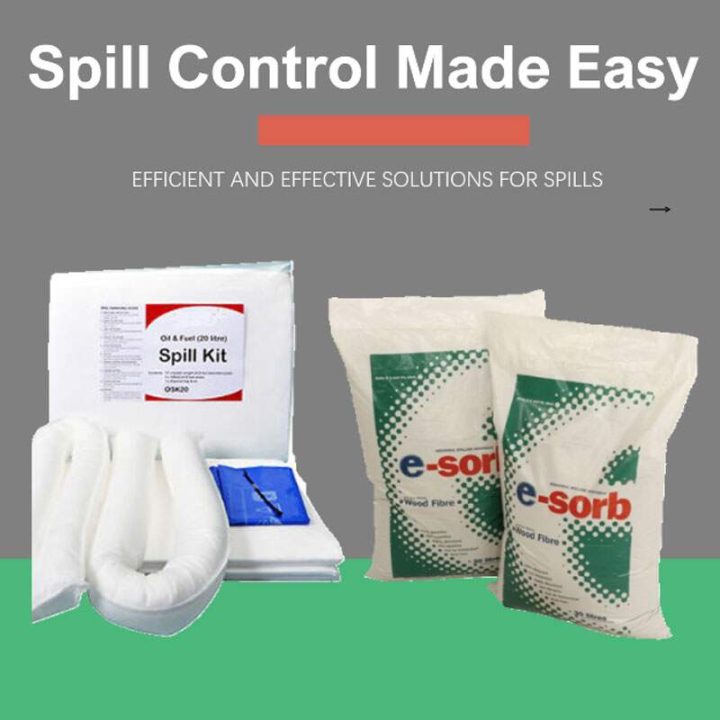
Large spill kits are required for more serious oil leaks and are typically used in industrial, transport and plant environments. These kits should be suitable for use by at least two people.
Essential protective equipment:
Additional items for vehicle-related spills:
Absorbent materials are critical for managing the oil itself. All items should be stored in a larger container (over 5 gallons), clearly labelled and positioned for easy access.
The effectiveness of your spill kit depends heavily on the absorbent material used. Granular absorbents are commonly chosen because they are easy to apply and clean up.
Common absorbent types include:
General-purpose absorbents can handle a range of spills, but for oil-specific incidents, oil-only absorbents are recommended as they are designed to repel water and target hydrocarbons more effectively.
How you pack your spill kit can make a big difference when time is critical.
Small kits:
Large kits:
This ensures fast access and reduces disruption during clean-up.
Creating your own spill kit is simple and cost-effective, especially if you understand your requirements and want flexibility.
However, if you prefer a ready-to-use solution, you can purchase pre-assembled spill kits or view product options such as ready-made oil spill kits.
Both options are valid — the key is ensuring you are prepared before a spill occurs.
Speak to our team for advice, supply or emergency support.
An oil spill kit typically includes absorbent materials, protective gloves, disposal bags and tools such as brushes or dustpans for clean-up.
Small kits are suitable for spills up to 5 gallons. Larger spills require more comprehensive kits with additional absorbents and protective equipment.
Oil-specific absorbents are best as they are designed to absorb oil while repelling water. Granular options are also popular for ease of clean-up.
Yes. Many businesses create their own kits to save money and customise contents based on their specific requirements.
Spill kits should be stored in accessible, clearly labelled locations close to areas where oil or fuel is handled.