
HYDRAULIC OIL | SPILL CONTROL | PRACTICAL GUIDE
How to Make an Oil Spill Kit: Contents, Sizes & Step-by-Step Guide
Learn how to assemble an oil spill kit for workshops, plant machinery, service vehicles and industrial sites, including the right absorbents, protective equipment and disposal materials.
Hydraulic oil leaks can create slip hazards, contaminate surfaces and threaten drains, soil and watercourses. A properly equipped spill kit helps trained personnel respond quickly to small, manageable incidents.
What Do You Need to Make an Oil Spill Kit?
A basic oil spill kit contains suitable absorbent materials, protective equipment, waste bags and simple clean-up tools. The contents should match the type and quantity of oil that could realistically escape.
Quick Answer
To make an oil spill kit, choose a clearly labelled waterproof container and fill it with oil-compatible absorbent pads, socks or granules, suitable chemical-resistant gloves, eye protection, waste bags and clean-up tools. Include instructions and emergency contact information. Select enough absorbent capacity for your assessed spill risk, and store the kit close to where oil is used.
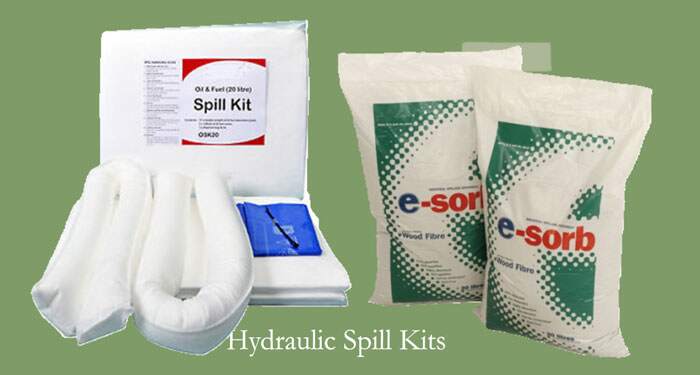
For businesses handling hydraulic oil regularly, a ready-made kit can simplify preparation because its absorbent capacity and contents are normally specified by the supplier.
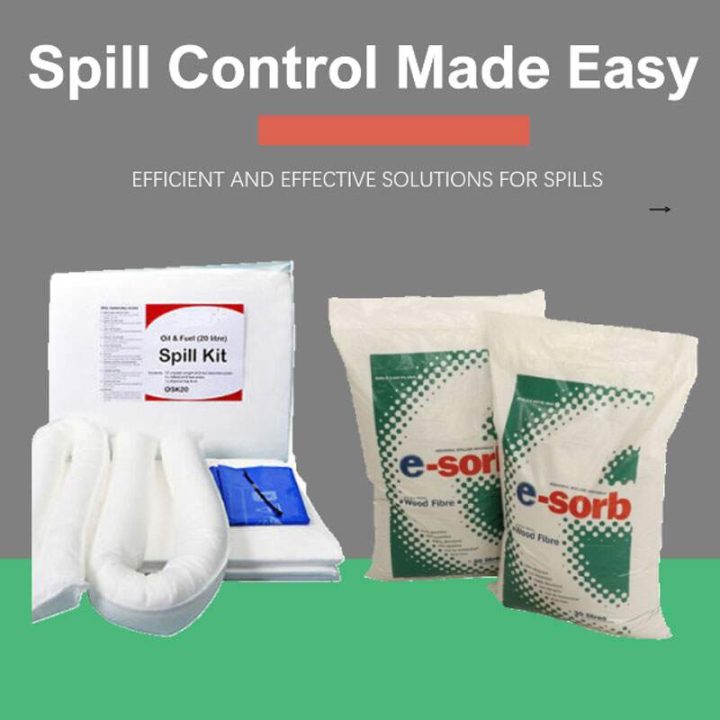
Oil spill response equipment should be accessible, clearly identified and suitable for the liquids handled on site.
Before You Build a Spill Kit: Assess the Risk
The correct spill kit depends on the oil, the equipment and the working environment.
Consider the maximum credible spill volume, proximity to drains, surface conditions, personnel training and the possibility of other hazards such as moving machinery, hot oil or pressurised hydraulic systems.
Important Safety Information
Only attempt a clean-up when it is safe and within your training. Isolate equipment where safe, prevent access to the affected area and follow the product safety data sheet and site spill-response procedure. Do not touch a suspected pressurised hydraulic leak or attempt to seal it by hand.
Large, uncontrolled or environmentally threatening spills require the site’s emergency response arrangements and potentially specialist assistance. A small DIY kit is not a substitute for a proper spill-response plan.
Essential Oil Spill Kit Contents
Start with materials suitable for the specific oil or fuel being handled. A practical kit normally includes the following items.
Oil Absorbent Pads
Used to absorb small pools of oil and wipe contaminated surfaces. Oil-only pads are particularly useful where water is present.
Absorbent Socks or Booms
Help contain the spread of oil on suitable surfaces and protect sensitive areas. Choose products appropriate for the spill and site conditions.
Protective Equipment
Chemical-resistant gloves, eye protection and other PPE selected according to the safety data sheet and workplace risk assessment.
Waste Bags and Labels
Suitable containers or bags for contaminated absorbents, with appropriate waste identification and secure closure.
Clean-Up Tools
A brush, dustpan or suitable scoop for collecting used granular absorbents and contaminated material.
Instructions and Emergency Contacts
Include a concise spill-response procedure, relevant contact details and instructions for reporting and disposing of contaminated waste.
How to Make a Small Oil Spill Kit
Small kits are useful for maintenance vans, workshops, mobile engineers and locations where minor oil leaks may occur.
The original approach of using a five-gallon container can provide convenient storage, but the container’s volume does not establish the kit’s oil absorption capacity.
Suggested Small Kit Checklist
- Clearly labelled portable container
- Oil absorbent pads
- One or more absorbent socks
- Suitable protective gloves
- Eye protection where required
- Heavy-duty waste bags
- Small brush and dustpan
- Spill-response instructions
- Emergency contact information
Choose the quantity of absorbent material according to its stated absorption capacity and the likely spill volume. Keep the contents dry and easy to reach.
How to Assemble a Larger Industrial Spill Kit
Industrial sites, plant yards, transport depots and workshops may require larger spill-response kits because of the quantities of oil stored or used.
These kits may need additional absorbents, drain protection and protective equipment, depending on the risk assessment.
Additional Equipment to Consider
- Higher-capacity absorbent pads and rolls
- Additional absorbent socks or booms
- Drain covers or drain protection materials
- Suitable protective footwear and coveralls
- Additional gloves and eye protection
- Compatible temporary leak-control materials
- Suitable waste containers and labels
- Site-specific emergency instructions
For vehicle-related incidents, purpose-designed plugs or temporary leak-control products may be useful where their use is safe and appropriate. They should not be improvised on pressurised hydraulic components.
Engineering Takeaway
A larger storage drum does not automatically make a spill kit suitable for a larger spill. Use the absorbent manufacturer’s stated capacity, the site risk assessment and the response plan to determine what is required.
Which Absorbent Material Is Best for Oil Spills?
The best absorbent depends on the type of liquid, location of the spill and intended clean-up method.
Oil-only absorbents are designed to attract hydrocarbons while resisting water absorption, making them particularly useful outdoors or in wet conditions.
| Absorbent | Typical Use | Consideration |
|---|---|---|
| Oil-only pads | Hydraulic oil and fuel spills | Useful where water is present |
| Oil-only socks | Containing oil on surfaces | Select suitable size and capacity |
| Universal absorbents | Various compatible liquids | May also absorb water |
| Mineral or clay granules | Small surface spills | Require sweeping and collection |
| Plant-based granules | Compatible oil spill applications | Check performance and suitability |
Materials such as corn cob, peat-based products, clay granules and commercial granular absorbents have been used for oil spill management. However, not every general-purpose material is suitable for every liquid or working environment.
For professional use, select absorbents with documented compatibility and absorption performance.
Step-by-Step: How to Pack Your Oil Spill Kit
Step 1 — Select the Container
Choose a durable, weather-resistant container that is clearly labelled and large enough to store all materials without crushing or damaging them.
Step 2 — Add the Absorbents
Pack absorbent pads, socks and other materials so that the items needed first are readily accessible.
Step 3 — Include Protective Equipment
Keep suitable gloves and other required PPE near the top so they can be accessed before handling contaminated material.
Step 4 — Add Disposal Materials
Include suitable waste bags, containers and labels for used absorbents and contaminated debris.
Step 5 — Add Instructions
Provide a simple response checklist, emergency contact information and any relevant site-specific reporting requirements.
Step 6 — Inspect and Replenish
Check the kit periodically and after every use. Replace missing, damaged or contaminated materials immediately.
What Should You Do When Hydraulic Oil Spills?
For a small, manageable incident, trained personnel should follow the workplace spill-response procedure.
Basic Spill-Response Sequence
- Assess the hazards and keep people clear.
- Raise the alarm or notify the responsible person.
- Stop the source only if it is safe to do so.
- Protect drains and sensitive areas where safe.
- Contain the spill using suitable absorbents.
- Collect contaminated materials safely.
- Arrange appropriate waste disposal and replenish the kit.
Never wash hydraulic oil into surface-water drains or allow it to enter soil or watercourses. If pollution has occurred or is likely, follow the site’s reporting procedure and contact the relevant environmental authority where required.
Should You Make Your Own Spill Kit or Buy One?
Both approaches can work, provided the kit is correctly specified, maintained and suitable for the identified hazards.
Build Your Own Spill Kit
Useful when you want to customise contents for a specific machine, workshop or vehicle.
Consider: You must assess the required absorbent capacity, select compatible materials and maintain the contents yourself.
Buy a Ready-Made Spill Kit
Useful when you want a packaged solution with stated contents and an advertised absorbent capacity.
Consider: Confirm the kit’s capacity and suitability for your particular oil, working environment and risk assessment.
Explore our hydraulic spill control products or view a ready-made oil and fuel spill kit.
SPILL CONTROL EQUIPMENT
Need a Ready-Made Hydraulic Oil Spill Kit?
Completely Hydraulic supplies spill control products for hydraulic oil and fuel-related applications. Choose equipment suitable for your workplace and expected spill risks.
Where Should Oil Spill Kits Be Stored?
Position spill kits near areas where oil is stored, transferred, serviced or used, while keeping them outside locations likely to become inaccessible during an incident.
Typical locations include maintenance workshops, plant yards, loading areas, service vehicles and hydraulic equipment storage areas.
Good Practice
Clearly label each spill kit, make sure relevant staff know its location and inspect its contents regularly. Record inspections where required by the workplace’s environmental or safety procedures.
Related Hydraulic Oil Information
Correct oil selection, maintenance and spill preparation are all relevant to managing hydraulic equipment responsibly.
Hydraulic Oil Grades Explained
Understand hydraulic oil viscosity grades and why the correct specification matters.
Hydraulic Oil in the UK
Explore hydraulic oil information, supply considerations and industrial applications.
Hydraulic System Support
Learn about hydraulic systems and the components that help machinery operate.
Oil Spill Kit Guide — Key Takeaways
Purpose: Contain and absorb manageable oil spills while reducing exposure and environmental risks.
Essential Contents: Absorbents, suitable PPE, waste materials, tools and instructions.
Absorbent Selection: Match the material to the liquid and environment.
Capacity: Use the stated absorption capacity in litres, not the storage container size.
Storage: Clearly labelled, accessible and close to likely spill locations.
Maintenance: Inspect regularly and replenish after use.
Best Approach: Select a DIY or ready-made kit based on a documented assessment of the risks.
Oil Spill Kit FAQs
What should an oil spill kit contain?
An oil spill kit should contain suitable absorbent pads, socks or granules, protective gloves, other required PPE, waste bags, clean-up tools and response instructions.
Can I make my own hydraulic oil spill kit?
Yes. A DIY kit can be suitable when its contents, absorbent capacity and protective equipment are selected according to the workplace’s spill risks.
What size oil spill kit do I need?
Choose a kit based on the maximum credible spill volume, its rated absorbent capacity, the liquid involved and the site’s response arrangements.
What is the best absorbent for hydraulic oil?
Oil-only absorbent pads and socks are often suitable for hydraulic oil spills, particularly in wet conditions. Check compatibility and rated capacity before use.
Can cat litter absorb hydraulic oil?
Some clay-based granular products can absorb oil, but their performance varies. Purpose-made industrial absorbents with documented suitability are generally preferable for workplace spill kits.
Where should spill kits be located?
Spill kits should be clearly labelled and accessible near areas where oil is handled, stored or used, without being placed where a spill could block access to them.
How often should spill kits be checked?
Check them at intervals appropriate to the workplace risk assessment and immediately after use. Replace missing, damaged or contaminated materials.
How should used oil absorbents be disposed of?
Collect used absorbents in suitable labelled containers and arrange disposal according to the waste classification and applicable regulations. Oil-contaminated waste may require hazardous-waste controls.
Need Hydraulic Spill Control Equipment or Engineering Support?
Completely Hydraulic supplies spill control products and provides hydraulic engineering services for machinery and equipment across London, Essex, Kent, Heathrow and surrounding areas.